

Roof Age: Key Insights for Mortgage Professionals
Mortgage, Homeowners Insurance
What Mortgage Professionals Should Know About Roof Age and Insurability
Roof age doesn’t just matter to insurance companies—it can quietly make or break a mortgage closing. When you understand how roof age affects insurability, you can spot issues early, set better expectations with borrowers, and keep more loans on track.
Why Roof Age Matters for Insurance—and Your Closing
Most homeowners insurance carriers have clear guidelines around roof age and condition. Even if a roof isn’t leaking, an older roof can mean higher premiums, limited coverage, or in some cases, a flat-out decline. If the buyer can’t secure acceptable coverage, the mortgage can’t fund.
As a mortgage professional, it helps to know that many carriers tighten their rules once roofs reach around 15–20 years (sometimes sooner for certain materials or in storm-prone areas). Insurers may require proof of recent updates, an inspection, or a full replacement before they’ll offer standard coverage.
How You Can Help Borrowers Prepare
A few simple questions early in the process can prevent last-minute surprises:
Ask the estimated roof age when reviewing the property.
Encourage buyers to start their homeowners insurance quotes early, especially on older homes.
Flag inspection comments about roof wear, missing shingles, or past leaks.
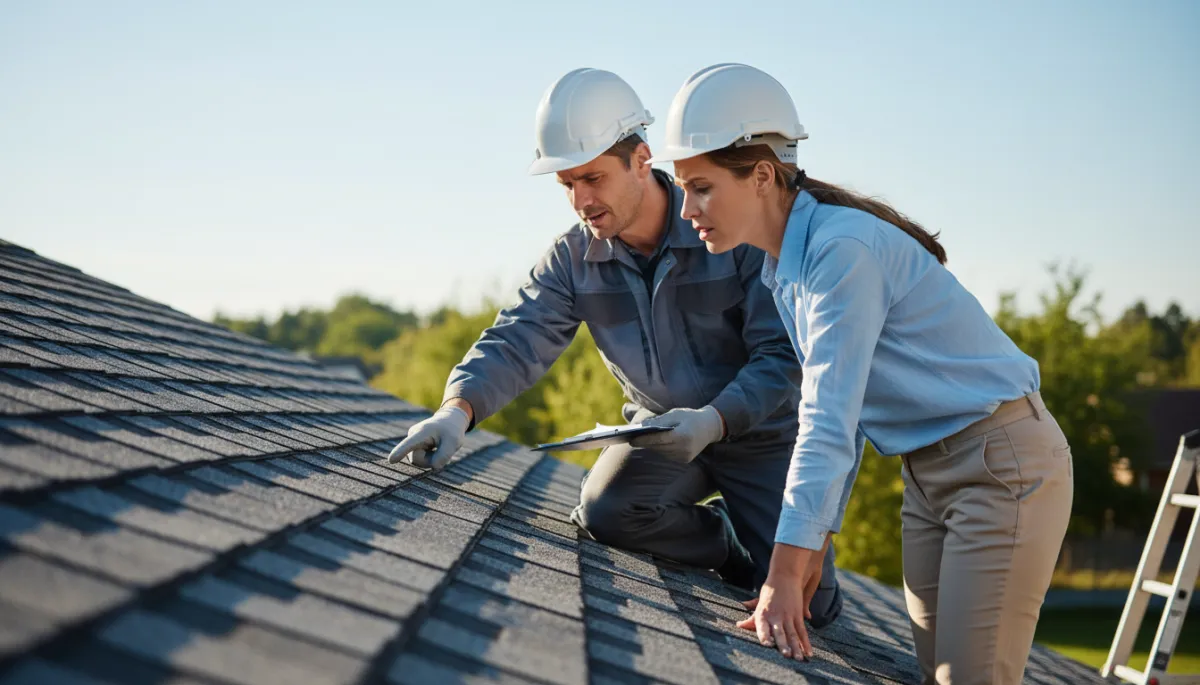
Catching roof concerns early gives buyers time to budget, negotiate, or adjust coverage.
At Check My Insurance Rate, Tony reviews each situation personally and helps your borrowers compare options from multiple insurers—especially when roof age is a concern. This can mean the difference between a stressful scramble and a smooth, on-time closing. Ready to make insurance one less thing to worry about? Invite your clients to start a secure quote at quote.checkmyinsurancerate.com or schedule a time to speak with Tony for clear, pressure-free guidance.